The Invisible Force
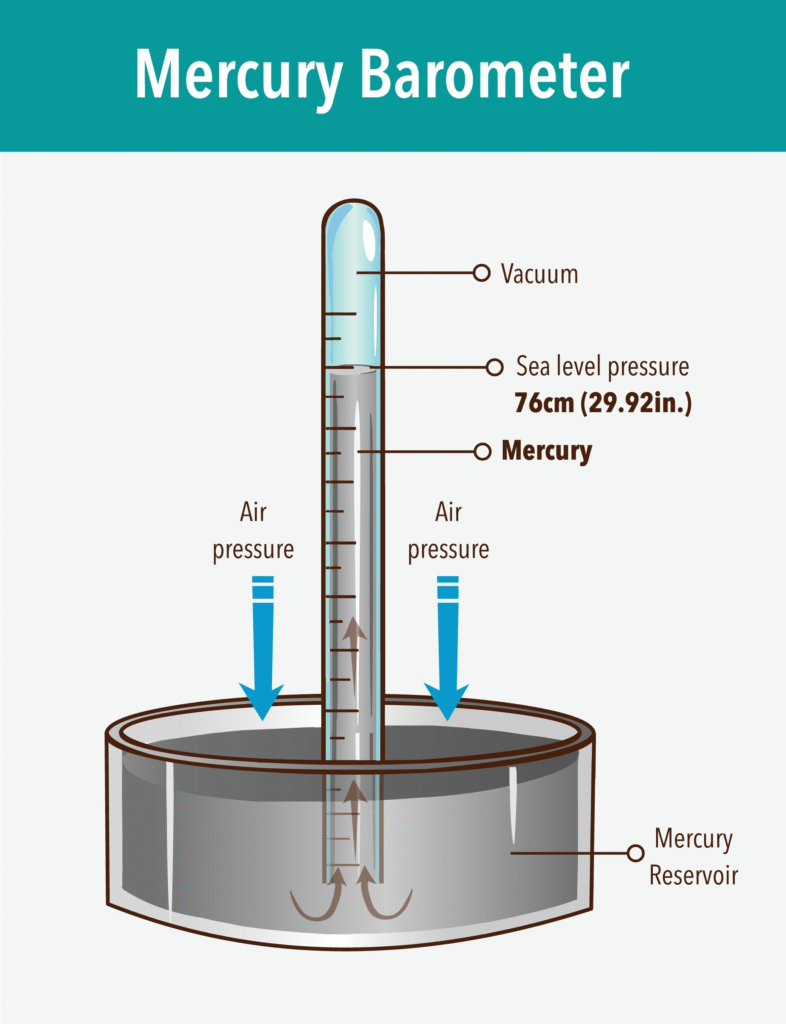
While we often perceive air as weightless, the atmosphere is a fluid that exerts a tremendous amount of pressure on everything it touches. At sea level, the average atmospheric pressure is approximately 1013.25 millibars (hPa). This “weight of the sky” is not static; it varies based on temperature, altitude, and moisture content, creating the high and low-pressure systems that dictate global weather patterns.
The Pressure Gradient Force (PGF)
The primary driver of all wind on Earth is the Pressure Gradient Force (PGF). Nature abhors an imbalance; therefore, air molecules will always attempt to move from areas of high pressure (where they are tightly packed) toward areas of lower pressure.
The “gradient” refers to the change in pressure over a specific distance. On a weather map, this is visualized through isobars—lines connecting points of equal pressure. When isobars are packed tightly together, the gradient is steep, and the resulting wind is strong. When they are spread far apart, the force is weak, resulting in the calm conditions often associated with high-pressure “domes.”
Why it Matters to Canavu Starline
At Canavu Starline, we monitor these pressure gradients to understand the “engine” of the atmosphere. By calculating the PGF in the mid-to-upper levels of the troposphere, we can anticipate the movement of storm systems before they develop at the surface. Understanding the weight of the sky is the first step in mastering the logic of its movement.